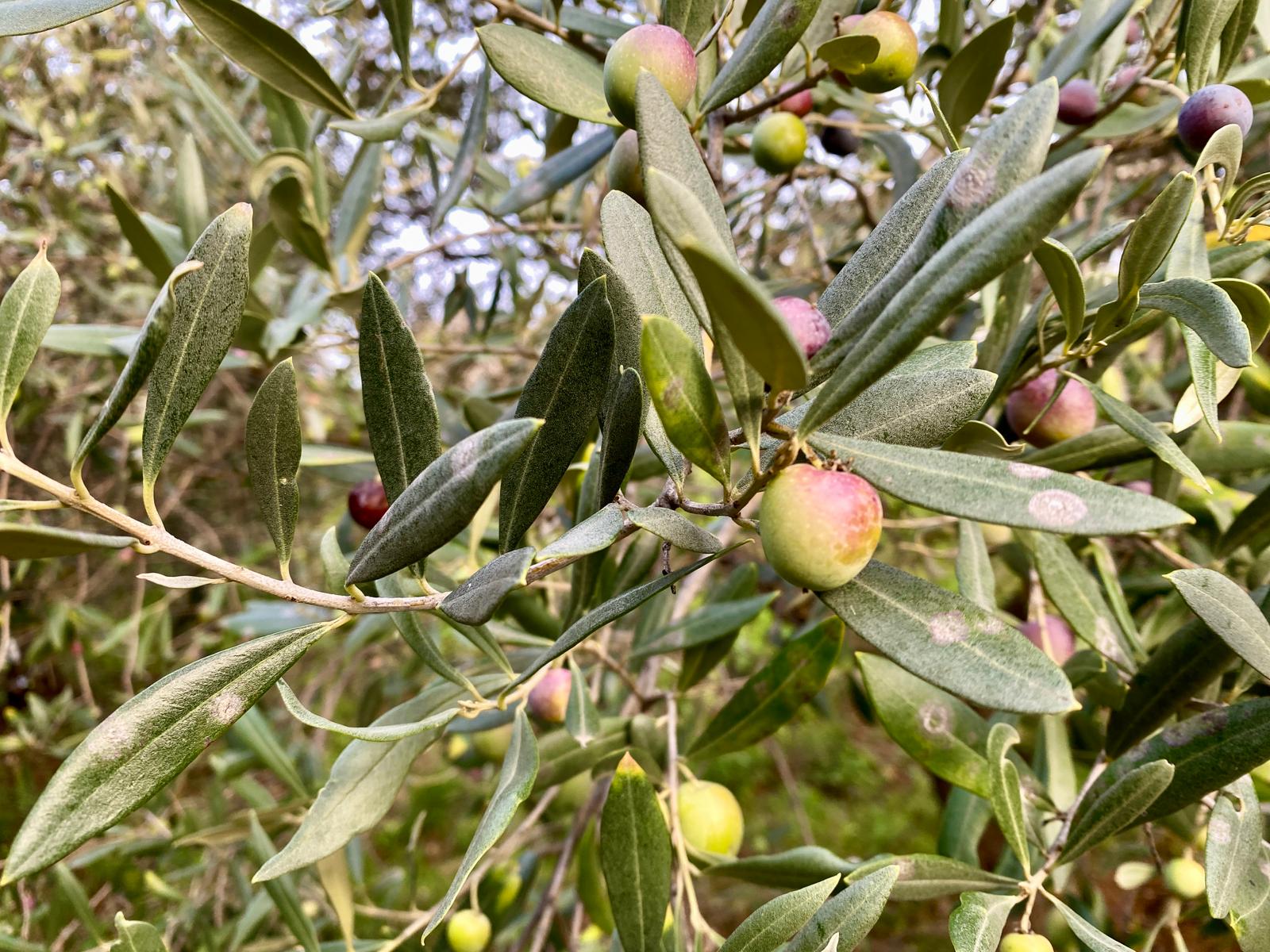
To brine olives at home, cover fresh, unbruised olives with a salt solution of at least 100 g of salt per litre of water (about 1 lb of salt per US gallon for a "strong" brine), seal the jars and let them ferment for two to six months. The salt and the natural fermentation draw out the bitterness and preserve the fruit. Use less salt and, as Italy's National Institute of Health warns, harmful bacteria such as Clostridium botulinum can grow.
The figures below come from two places: the University of California's guide to home pickling of olives and the Italian Ministry of Health and Istituto Superiore di Sanità (ISS) guidelines on home preserves.
Why can't you eat olives straight from the tree?
A raw olive is intensely bitter because of oleuropein, a compound that dissolves in water. Every curing method, whether brine, water, dry salt or lye, exists to leach it out of the flesh. Brine does something extra: lactic acid bacteria that live on the skin turn the fruit's sugars into lactic and acetic acid. That fermentation is what gives brined olives their tangy flavour.
Which olives can you brine?
Pick freshly harvested, firm olives with no bruises, then sort them by size and ripeness so each batch cures evenly. The UC guide describes three stages:
- Green-ripe: full size, yellow-green to straw coloured, releasing a creamy white juice when squeezed.
- Turning colour: rose to red-brown skin, flesh still firm and pale.
- Naturally black ripe: dark red to purplish black, releasing a reddish-black juice. Richer in oil but easily bruised.
Process them within a few days of picking. If you must wait, keep them at 5–10 °C (41–50 °F) in shallow, ventilated crates; two weeks or more at 0–2 °C can cause chill injury and browning. Dual-purpose varieties such as Carolea, Calabria's oil-and-table olive, work well, but any sound olive will do.
How much salt do you need per litre?
| Water | Italian minimum (ISS) | UC "strong brine" |
|---|---|---|
| 1 litre | 100 g | about 120 g |
| 1 US gallon (3.8 L) | about 380 g | 1 lb (454 g) |
| 5 litres | 500 g | about 600 g |
Weigh the salt rather than measuring it by volume, because coarse and kosher salts vary a lot in density. Use pure salt with no anti-caking agents, which make the brine cloudy, and never use reduced-sodium salt substitutes.
How to brine olives step by step
- Discard bruised fruit, rinse the olives and sort them by size.
- Pack them into glass jars or food-grade plastic containers that can be sealed airtight; 1 litre (1 quart) is the smallest size UC recommends.
- Cover with brine and close the lids loosely. Store at 16–27 °C (60–80 °F). UC starts with a milder brine for the first week; the Italian guidelines set 100 g per litre as the minimum, so it is sensible never to go below that.
- After 7 days, replace the liquid with fresh strong brine (about 120 g per litre) and close the lids firmly.
- Check the jars regularly. If a lid bulges from fermentation gas, loosen it carefully, then close it again. Top up any lost liquid with brine of the same strength so the olives stay submerged.
- For milder olives, change the brine once a month for two or three months.
Black olives can be eaten after about 2 months if you like them bitter, or after 3 months for a softer taste. Green olives take longer: UC gives 4–6 months for Sicilian-style green olives fermented in seasoned brine.
A faster option: cracked olives cured in water
If you would rather not wait months, crack green olives one by one with a mallet or rolling pin, just enough to split the flesh without breaking the stone. Soak them in fresh water, weighed down with a plate, and change the water every 24 hours for 6–7 days. Then cover them with a finishing brine of about 120 g salt per litre plus white wine vinegar (UC uses 2 cups per gallon), and add oregano, garlic or lemon slices if you like. These must be kept in the fridge: they are ready after 4 days and keep for up to a year.
Is the white film on the brine mould?
A whitish layer often forms on the surface. According to the ISS guidelines it is made by the fermentation microbes and should not be removed from the brine. Full, airtight jars help limit surface yeasts and moulds. The olives themselves are another matter: if they turn mouldy, soft or bad-smelling at any point, UC says not to eat or even taste them. The Italian guidelines note that Italy records around 20–30 botulism cases a year, most from home preserves, and that too little salt is the most common mistake with brined vegetables.
How long do brined olives keep?
Properly fermented olives in strong brine keep for at least a year in a cool, dark place if the jars stay airtight. Once opened, keep them in the fridge, where the ISS guidelines say brined vegetables can last up to two months.
Before serving, soak the olives you plan to eat in water overnight to take the edge off the salt, then dress them with a little olive oil. Oil firms up in the fridge, so let them sit at room temperature for a while. A fresh, fruity extra virgin oil suits them well, such as the organic extra virgin olive oil we make in Calabria; to see how much fruit goes into a bottle, read how many olives make a litre of oil.
One practical tip: start with a single 1-litre jar, write the date and the grams of salt on the lid, and taste the first olive only after two months. Next season you will know exactly what your olives need.
Frequently asked questions
How much salt do you use to brine olives?
Italian Ministry of Health and ISS guidelines require at least 100 g of salt per litre of water, or 10%. The University of California's strong brine uses 1 lb of salt per US gallon, about 120 g per litre.
How long does it take to cure olives in brine?
Usually three to six months or longer, depending on variety, ripeness, temperature and salt. Black olives can be eaten after about two months; green olives take longer, four to six months for Sicilian-style olives.
Can you cure olives without lye?
Yes. Brine curing, water curing and dry salt curing use no lye. Lye is faster but highly corrosive, and UC notes that lye-cured, unfermented olives are low-acid foods that must be refrigerated or pressure canned.
What is the white film on top of olive brine?
According to the ISS guidelines it is formed by the microbes doing the fermentation and should not be removed from the brine. If the olives themselves become mouldy, soft or smell bad, do not eat or taste them.
From our grove
Oil from the people who grow it.
Organic extra virgin olive oil from our groves in Acri, Calabria, hand-picked and milled within hours, in 5-litre tins.